The Complete Guide to PVC Trunking: Essential Solutions for Modern Cable Management
In today’s electrically driven world, the difference between a professional installation and a hazardous eyesore often comes down to proper cable management. PVC trunking has emerged as the global standard for organizing, protecting, and concealing electrical wiring in residential, commercial, and industrial settings. By analyzing technical specifications and industry insights from leading international manufacturers and electrical standards authorities, this comprehensive guide explores why PVC cable trunking systems are indispensable for modern construction and renovation projects.
Understanding PVC Trunking and Its Core Components
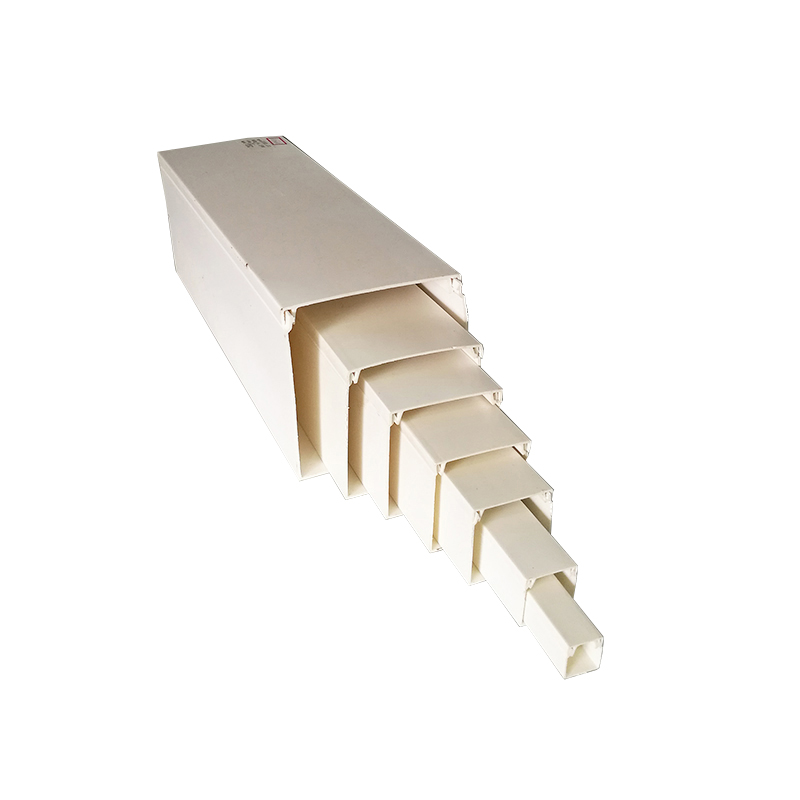
PVC trunking, also known as PVC cable trunking or PVC electrical conduit systems, refers to enclosed profiles made from rigid polyvinyl chloride designed to house and protect electrical cables. Unlike simple tubes or pipes, trunking typically features a rectangular or square cross-section with a removable or hinged lid, allowing for easy access, inspection, and future modifications to the wiring within.
The primary purpose of installing PVC wiring trunking is twofold: aesthetics and safety. Having wires dangling carelessly from walls and floors creates an unsightly environment, while properly installed trunking gives your home or place of business a tidy, professional appearance. More importantly, PVC trunking prevents wires from being exposed to damp surfaces, avoiding water hazards that could lead to electric shocks or fire risks. No dangling wires on floors ultimately prevents tripping hazards, protecting both staff and family members.
Complete System Components
A comprehensive PVC trunking system includes more than just the main channels. Professional installations require a full range of components:
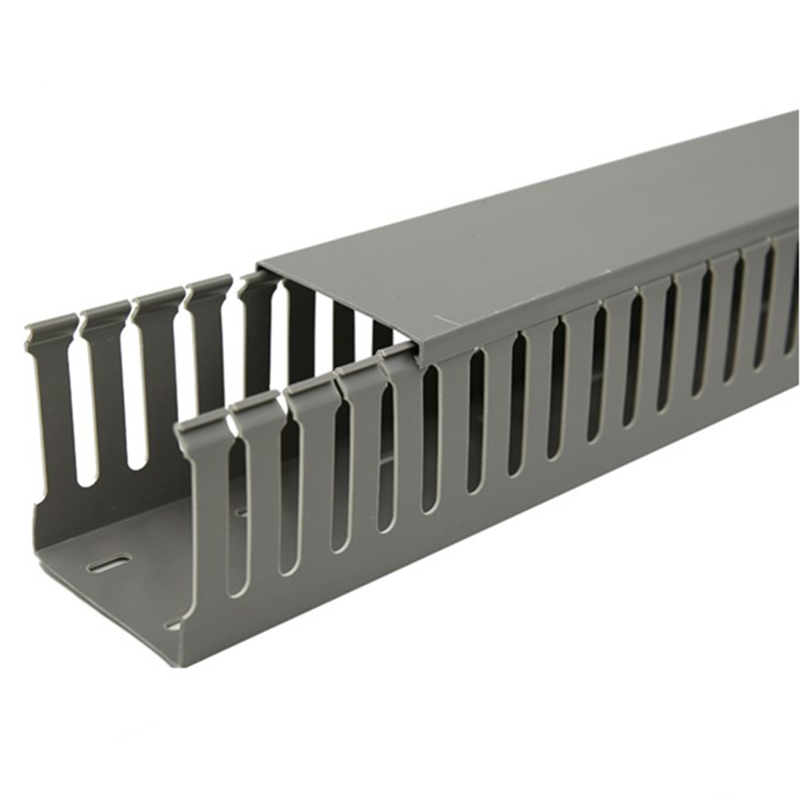
PVC trunking sections: Available in slotted or solid configurations depending on ventilation requirements
Snap-on lids and end caps: Secure closure systems that maintain protection while allowing access
Corner, tee, and reducer pieces: Layout fittings that enable direction changes and size transitions
Mounting brackets: Hardware for securing trunking to masonry, wood, or metal surfaces
PVC junction boxes: Enclosures for wire connections and terminations
PVC circuit boxes: Housing for switches, sockets, and protective devices
Flame-retardant-colored-PVC-trunking-size-wire
The Critical Role of PVC Junction Boxes and Circuit Boxes
No PVC trunking installation is complete without appropriate termination and connection points. PVC junction boxes serve as essential components where wires split, join, or change direction. These enclosures provide safe, organized spaces for electrical connections while maintaining the protective continuity of the trunking system.
Types of Junction and Circuit Boxes
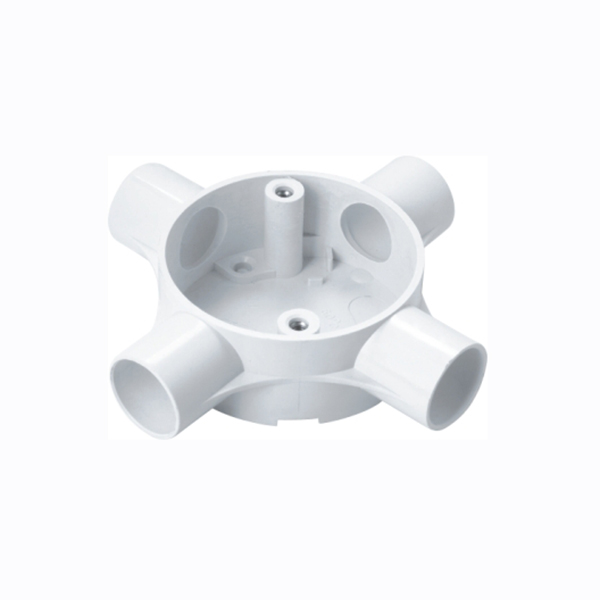
pvc conduit pipe fittings 4 way box
Leading manufacturers produce various configurations to suit different applications:
Standard Junction Boxes: Available in 1, 2, 3, and 4-way entry configurations, these PVC junction boxes provide safe enclosures for wire connections. They can be joined to PVC electrical conduit using solvent cement, creating a permanent, waterproof seal.
Deep Junction Boxes: For applications where space is limited or multiple connections are required, deep-profile boxes offer additional volume while maintaining the same footprint.
Waterproof Outdoor Boxes: For exterior installations, PVC waterproof IP65 outdoor cable junction boxes provide protection against dust and water ingress. These enclosures feature specialized stoppers and gland entry points suitable for indoor and outdoor electric, communication, and industrial applications including steel smelting, petrochemical facilities, railways, and wastewater treatment equipment.
PVC Circuit Boxes: These enclosures house protective devices, switches, and sockets integrated with the trunking system. Premium systems offer flush-fitting accessories that enhance finished appearance while maintaining tamper-resistant covers and fittings.
Material Properties and Performance Characteristics
The selection of PVC as the primary material for trunking systems is based on its exceptional combination of properties that address the demanding requirements of electrical installations.
Fire Performance and Safety
Modern PVC insulating electrical trunking is formulated with fire-retardant additives that provide critical safety characteristics:
Self-extinguishing properties: PVC trunking chars and stops burning when the flame source is removed, preventing fire spread
Non-flame-propagating: Classified to Building Regulations as Class 0, highly resistant to ignition
Low smoke production: Minimal smoke generation during early fire stages, improving visibility for evacuation
No flaming droplets: Does not produce burning debris that could spread fire to surrounding materials
Acts as fire barrier: Effectively contains flame spread from malfunctioning electrical components within the system
Some systems incorporate fire clips specifically designed to secure cables and prevent premature collapse of the trunking in the event of a fire, maintaining cable integrity for critical emergency systems.
Durability and Environmental Resistance
PVC trunking demonstrates excellent resistance to environmental factors:
Impact resistance: Withstands mechanical stress during installation and service
Heat resistance: Maintains structural integrity across normal operating temperature ranges
Chemical resistance: Unaffected by common building materials and cleaning agents
UV resistance: Specialized formulations prevent degradation in sunlit installations
Moisture protection: IP-rated systems provide waterproof performance for outdoor and damp locations
Professional Installation Guidelines
Proper installation of PVC trunking ensures long-term reliability and compliance with electrical codes. Based on established best practices from leading manufacturers, here is a comprehensive installation guide.
Pre-Installation Planning
Before beginning installation, careful planning ensures optimal results:
Route Planning: Determine the trunking path, avoiding water sources, heat sources, and locations susceptible to impact. For aesthetic results, install along wall corners, ceiling edges, or behind cabinets where trunking will be less conspicuous.
Size Selection: Choose PVC cable trunking with sufficient capacity based on the number and diameter of cables. Industry best practice recommends leaving approximately 40% free space within the trunking for heat dissipation and future cable additions.
Material Considerations: Select appropriate materials for the environment. In heat-prone zones or areas with specific fire requirements, consider specialized grades. For South Africa’s varied climates, materials must endure heat, dust, and humidity, with appropriate IP ratings guiding the choice.
Installation Methods
PVC trunking can be installed using two primary methods:
Surface Mounting: For wall surface installation, directly nail or screw the trunking to the wall. For brick or wood substrates, drill pilot holes into the solid material, then tighten screws through the pre-drilled holes in the trunking base. Fixing points should be spaced approximately 30-50 centimeters apart, with additional fixings at corners, joints, and both ends.
Adhesive Mounting: For smooth, level surfaces at normal room temperature, simply clean the surface thoroughly and use appropriate adhesive to stick the trunking to the wall. The bond will last for years when applied to properly prepared, non-textured surfaces.
Flush Mounting: For installations requiring trunking to be recessed into walls or floors, flush-mounting techniques create a completely concealed appearance.
Step-by-Step Installation Process
Following a systematic approach ensures professional results:
Positioning and marking: Use a pencil and level to mark the installation reference line on the wall
Cutting: Cut the trunking base and cover to required length using a specialized PVC trunking cutter or fine-tooth saw, deburring cut edges with a file
Pre-assembly: Assemble trunking bases, accessories, and covers without fixing to verify straightness and fit
Base fixing: Secure the trunking base to the wall using appropriate fixings for the substrate material
Cable installation: Place wires and cables neatly into the fixed base without excessive compression
Accessory installation: Install elbows, tees, and other fittings at corners and branches
Cover installation: Align the cover with the base edge and press evenly until it clicks into place
End termination: Install end caps at trunking terminations and junction boxes or outlet fittings where wires exit
Critical Installation Considerations
Several factors require special attention during installation:
Separation of Power and Data: Strong electricity (power lines) and weak electricity (data lines) must be laid in separate compartments or maintain a minimum parallel distance of 20 centimeters. Where crossing is unavoidable, they should cross at right angles. Many premium trunking systems offer divided compartments specifically designed to carry both power and data while maintaining proper separation.
Heat Source Avoidance: Keep trunking away from radiators, boilers, and other high-heat sources.
Expansion Accommodation: For straight runs exceeding 6 meters, reserve expansion joints to accommodate thermal movement.
Grounding Requirements: While PVC trunking itself is non-conductive and requires no grounding, the grounding conductors (PE) of all live wires within the trunking must be reliably connected according to electrical specifications.
Common PVC Trunking Sizes and Applications
Different applications require different PVC trunking sizes. Understanding the most common options helps in selecting the right system.
100 x 100 mm PVC Trunking
This large-size trunking is typically used for control panels and electrical cabinets where multiple circuits converge. Additional applications include telephone cable wiring, commercial building distribution, lift industry installations, and computer LAN wiring. The generous capacity accommodates multiple cables while maintaining organization.
100 x 50 mm PVC Trunking
Manufactured from rigid polyvinyl chloride, this rectangular profile serves similar applications to the 100 x 100 size but with a lower profile where height is constrained. These systems feature specialized cover designs that prevent sliding after installation or during vibration, with smooth edges that protect hands during cable installation.
50 x 50 mm PVC Trunking
This versatile size serves as the backbone for many residential and light commercial installations. The square profile provides balanced capacity for typical branch circuits while maintaining a discreet appearance. In modern spaces, this trunking 50 x 50mm system transforms cable tangles into a quiet, curated procession of power and data.
150 x 150 mm to 50 x 50 mm Range
Premium systems offer a comprehensive range of sizes from 50 x 50 mm up to 150 x 150 mm, with single or divided compartment options. This variety ensures appropriate solutions for everything from small residential additions to major commercial distributions.
Advanced Features in Modern PVC Trunking Systems
Contemporary PVC cable trunking products incorporate innovative features that enhance functionality and installation quality.
Multi-Compartment Designs
Advanced trunking systems feature multiple compartments within a single profile. The Odyssey system, for example, offers three compartments—one main central channel and two smaller outer compartments—that can be further subdivided using dividing fillets. This design enables complete separation of different circuit types within a single, aesthetically pleasing installation.
Tamper-Resistant Features
For public access areas and facilities requiring enhanced security, tamper-resistant covers and fittings prevent unauthorized access to wiring while maintaining professional appearance.
Antimicrobial Options
Healthcare facilities and laboratories benefit from antimicrobial bio options that inhibit bacterial growth on trunking surfaces, contributing to infection control strategies.
High-Performance Data Capabilities
Modern trunking systems are designed to support advanced data infrastructure, with compliance up to Category 7a cabling standards. Data fittings accommodate bend radii up to 65 mm, and screened data boxes with steel screening dividers meeting BS EN 50714-2 ensure signal integrity for sensitive applications.
Sustainable Manufacturing
Environmental responsibility is increasingly important in construction. Leading manufacturers now produce PVC trunking using 100% recycled material without compromising performance. These products maintain all fire resistance and durability characteristics while supporting sustainability goals.
Integration with PVC Electrical Conduit Systems
A complete wiring system often combines PVC trunking with PVC electrical conduit for comprehensive coverage. While trunking excels at surface mounting and point-to-point distribution, conduit provides dedicated protection for individual cable runs, particularly in concealed applications.
Connecting Trunking to Conduit
Proper transition between trunking and conduit requires appropriate adapters and fittings. PVC junction boxes serve as transition points where conduit entries connect to trunking systems, maintaining mechanical protection throughout the wiring path.
Comprehensive System Components
Full-system manufacturers produce integrated ranges including:
PVC trunking: Various sizes and configurations
PVC conduit & fittings: Complete tubing and connection components
PVC corrugated conduit: Flexible options for challenging routes
PVC junction boxes: Connection enclosures in multiple configurations
PVC circuit boxes: Housing for switches, sockets, and protective devices
Metal boxes: For specialized applications requiring enhanced mechanical protection
Quality Standards and Certifications
When selecting PVC trunking, verifying compliance with relevant standards ensures safety and reliability. Reputable manufacturers maintain certifications including:
ISO 9001: Quality management systems certification
IEC standards: International Electrotechnical Commission compliance
CE marking: European health, safety, and environmental standards
RoHS compliance: Restriction of hazardous substances
AS/NZS 2053: Australian/New Zealand standard for conduit and trunking systems
IP ratings: Ingress Protection classification for waterproof and dustproof performance
Applications Across Industries
PVC trunking systems serve diverse sectors with tailored solutions:
Residential Applications
Home office wiring organization
Home theater and entertainment system cable management
Renovation projects requiring surface wiring
New construction where concealed wiring is impractical
Commercial Buildings
Office workstations with modular power and data distribution
Retail environments requiring flexible display power
Educational facilities with evolving technology needs
Healthcare settings where hygiene and access are critical
Industrial Facilities
Control panel wiring organization
Factory floor power distribution
Warehouse lighting circuits
Maintenance workshops with frequently reconfigured equipment
Infrastructure and Specialized Applications
Railway signaling and communications
Airport and port facilities
Water and wastewater treatment plants
Petrochemical industry installations
Telecommunications exchanges
Conclusion: The Intelligent Choice for Cable Management
PVC trunking represents the convergence of safety, functionality, and aesthetics in modern electrical installation. From the simplest residential addition to the most complex industrial control system, properly selected and installed trunking ensures that cables remain protected, accessible, and organized throughout the facility’s life.
By understanding the complete ecosystem—from PVC cable trunking channels to PVC junction boxes, from PVC circuit boxes to transition fittings—specifiers and installers can create wiring systems that meet today’s needs while accommodating tomorrow’s changes. The material’s inherent fire resistance, durability, and environmental stability make PVC electrical conduit and trunking the preferred choice for applications worldwide.
For your next project, whether residential renovation or commercial new build, consider the comprehensive capabilities of modern PVC trunking systems. With proper planning, quality materials, and professional installation, you can achieve cable management that is not only functional and safe but also visually integrated with the surrounding environment—truly the backbone of modern electrical infrastructure.