PPR-AL-PPR Pipe: The Engineering Marvel for High-Performance Plumbing and Heating Systems
In the world of modern plumbing, the demand for materials that combine the best of both plastics and metals has led to the rise of composite technology. Among these innovations, the PPR-AL-PPR pipe stands out as a premium solution for applications where standard plastic pipes fall short. By analyzing technical specifications and industry insights from leading international manufacturers and engineering sources, it‘s clear that this multilayer pipe is redefining reliability in high-pressure and high-temperature environments.
What is a PPR-AL-PPR Pipe?
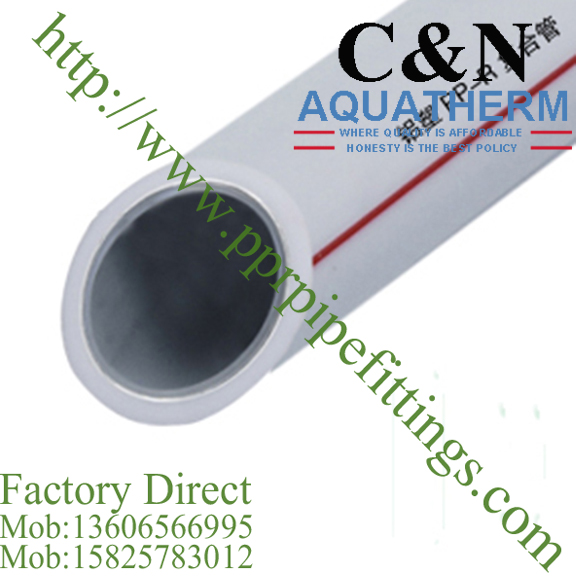
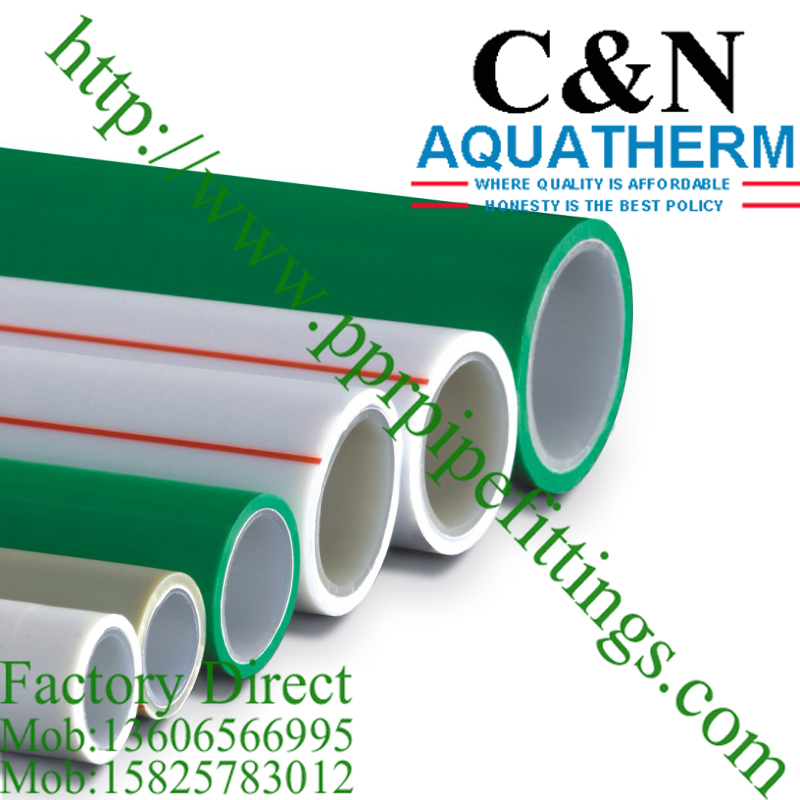
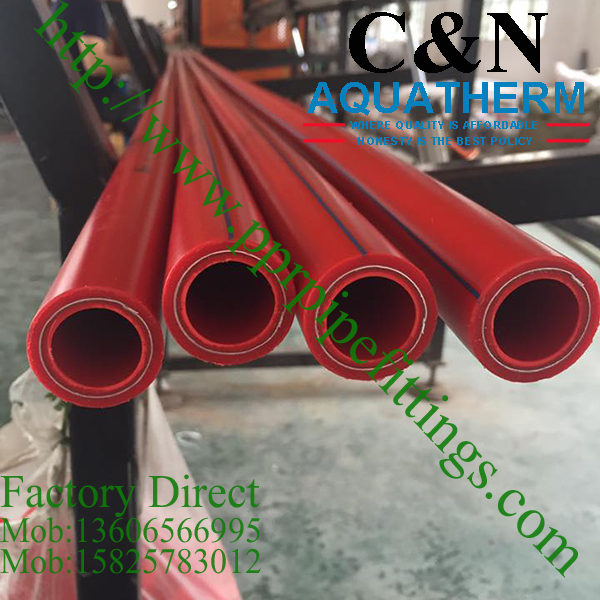
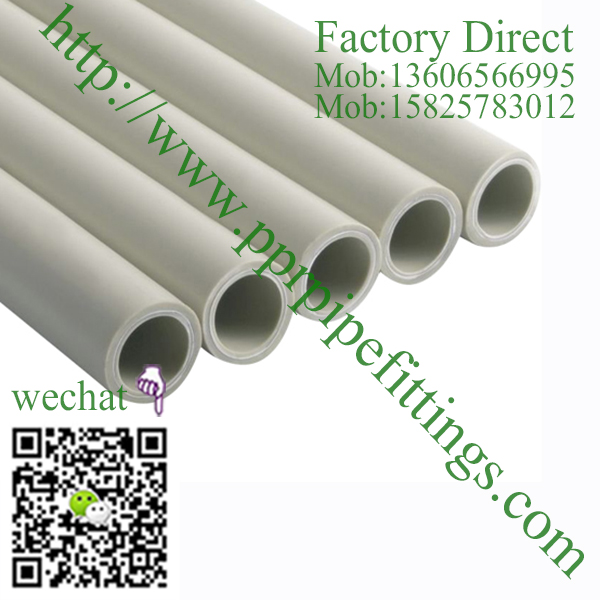
A PPR-AL-PPR pipe is a five-layer composite structure that sandwiches a thin aluminum core between inner and outer layers of PPR (Polypropylene Random Copolymer). The precise layering, from inside to outside, consists of polypropylene – hot melt adhesive – aluminum alloy – hot melt adhesive – polypropylene. This unique construction integrates the aluminum layer to provide the rigidity and stability of metal, while the inner and outer PPR layers ensure the hygienic and corrosion-resistant properties of plastic.
Often referred to as PPR aluminum composite pipe or stable PPR pipe, this design was developed to overcome the inherent limitations of standard PPR pipes, particularly their high rate of thermal expansion.
Why Industry Experts Recommend PPR-AL-PPR Multilayer Pipe
Data compiled from top global manufacturers and technical databases highlights several unmatched advantages of using this composite pipe:
1. Dramatically Reduced Thermal Expansion
One of the most significant benefits cited in engineering reports is the reduction in linear expansion. A standard PPR pipe expands approximately 0.15 mm/m·K when heated. By integrating an aluminum core, the PPR-AL-PPR pipe slashes this rate to just 0.025-0.03 mm/m·K—a reduction of up to 80%. This performance closely matches that of copper pipes, meaning that in heating systems, the pipes remain straight and sag-free without the need for expansion loops or compensators.
2. Complete Oxygen Barrier
The continuous aluminum layer acts as a perfect barrier against oxygen diffusion. Standard plastic pipes can allow oxygen to permeate through the wall, leading to corrosion of metal components in boilers, radiators, and heat exchangers. PPR-AL-PPR pipe blocks 100% of oxygen ingress, protecting the entire heating system from rust and scaling, and significantly extending the lifespan of expensive equipment.
3. Superior Pressure and Temperature Resistance
Because the aluminum composite structure adds mechanical strength, these pipes can handle higher pressure ratings with thinner walls. While standard PPR typically tops out at PN20 or PN25, PPR-AL-PPR multilayer pipe can achieve ratings up to PN32, making it suitable for high-rise buildings and industrial applications. They reliably handle continuous operating temperatures up to 95°C, with peak resistance in specialized models reaching 110°C.
4. Shape Retention and Mechanical Stability
The embedded aluminum core provides what engineers call “memory.” Unlike pure plastic pipes that can sag or become wavy in long horizontal runs when filled with hot water, PPR aluminum composite pipe maintains its shape. This rigidity simplifies installation and results in a cleaner, more professional appearance, especially in exposed piping scenarios.
5. Hygienic and Safe for Potable Water
Despite containing metal, the water never contacts the aluminum. The inner PPR layer fully encapsulates the core, ensuring that water only touches food-grade polypropylene. Premium PPR-AL-PPR pipes carry NSF/ANSI 61 certification, guaranteeing safety for drinking water systems.
Technical Specifications and Construction
Understanding the physical makeup of this multilayer pipe is key to appreciating its performance. Based on product catalogs from high-ranking industrial suppliers:
Layer Structure: Five layers bonded with high-temperature adhesive
Aluminum Thickness: Typically 0.15 mm to 0.5 mm, with laser butt-welded seams for integrity
Outer Protection: Often finished with a grey PPR or black PE layer that provides UV resistance, allowing for outdoor installation
Standard Compliance: Manufactured to standards such as CJ/T210-2005 and certified under ISO 21003 for heating systems
Common Applications Across Industries
The versatility of PPR-AL-PPR pipe makes it the top choice for demanding scenarios, as reflected in global market research:
Radiant Floor Heating: Underfloor loops stay flat and silent without expansion noise, and the oxygen barrier protects the entire circuit.
High-Rise Residential Buildings: The high pressure rating (PN25/PN32) and low expansion eliminate the need for complex expansion compensation on every floor.
Solar Water Heating: Outdoor roof installations benefit from UV resistance and the ability to withstand high temperature peaks.
District Heating Networks: Long trunk lines maintain alignment in underground conduits, and the oxygen barrier protects central boilers.
Industrial Process Lines: Factories use PPR aluminum composite pipe for hot water loops where maintenance downtime is unacceptable.
Central Air Conditioning Systems: Prevents oxidation of metal equipment by blocking oxygen permeation.
Installation Best Practices from the Pros
While PPR-AL-PPR pipe utilizes the same heat fusion principle as standard PPR, proper installation requires specific techniques to ensure longevity:
Use a Specialized Peeler: Before fusion, a rotary peeler tool must be used to remove the outer PPR layer and aluminum, exposing a clean surface for the fitting. This step is critical for creating a strong bond.
Cut Cleanly: Always use a sharp roller cutter designed for composite pipes. A hacksaw can tear the aluminum foil and create weak points.
Adjust Fusion Timing: Due to the aluminum layer, heating time should be increased slightly (e.g., 2 seconds longer) compared to standard PPR to ensure proper melting of the thicker wall.
Use Compatible Fittings: It is essential to use PPR-AL-PPR-specific fittings, which have deeper sockets to accommodate the peeled pipe end. Mixing brands or using standard PPR fittings is a leading cause of joint failure.
Provide Adequate Support: Although expansion is minimal, the pipe is slightly heavier than standard PPR. Support clips should be placed at intervals of approximately 1 to 1.2 meters.
Pressure Test: Always hydrotest the installed system at 1.5 times the operating pressure to verify the integrity of every fusion joint and the aluminum layer.
PPR-AL-PPR vs. Other Piping Materials
When compared to alternatives, the PPR aluminum composite pipe offers a compelling balance of properties:
Feature
PPR-AL-PPR Pipe
Standard PPR Pipe
Copper Pipe
PEX-AL-PEX
Thermal Expansion
0.025-0.03 mm/m·K
0.15 mm/m·K
0.017 mm/m·K
0.025 mm/m·K
Oxygen Barrier
100%
No
100%
100%
Pressure Rating
PN25 – PN32
PN20 – PN25
Very High
Moderate
Joint Method
Heat Fusion (Welded)
Heat Fusion
Soldering/Brazing
Crimp/Compression
Corrosion Resistance
Excellent
Excellent
Potential Pitting
Excellent
Relative Cost
Moderate-High
Low
High
Moderate
As the comparison shows, PPR-AL-PPR pipe uniquely combines the easy installation of plastic with the stable performance of metal.
Conclusion
As global infrastructure projects demand higher performance and longer service life from plumbing materials, the PPR-AL-PPR pipe has emerged as the intelligent upgrade from standard plastic piping. Its ability to eliminate thermal expansion, block oxygen, and withstand high pressures makes it the preferred choice for engineers and contractors working on heating systems, high-rise buildings, and industrial applications.
By selecting certified PPR aluminum composite pipe from reputable manufacturers and adhering to proper installation techniques, you ensure that your piping infrastructure remains efficient, maintenance-free, and reliable for decades to come. For projects where failure is not an option, PPR-AL-PPR multilayer pipe is not just an option—it is the engineering standard.