The Complete Guide to IPS Fittings and PPH Threaded Fittings: Solutions for Tanzanian and Mozambican Markets
In the rapidly developing infrastructure landscapes of Tanzania and Mozambique, reliable piping systems are essential for water supply, industrial processing, and construction projects. For importers, contractors, and engineers across Dar es Salaam, Maputo, Zanzibar, and Beira, understanding the specifications and applications of IPS fittings and PPH threaded fittings is crucial for successful project execution.
This comprehensive guide explores these critical components and their relevance to East African markets, helping procurement professionals make informed decisions for their piping system requirements.
Understanding IPS Fittings
What Are IPS Fittings?
IPS fittings refer to pipe connection components manufactured according to the Iron Pipe Size (IPS) standard. This sizing system, originally developed for iron pipe, has become one of the most widely adopted standards for plastic piping systems across Africa and globally . IPS fittings are characterized by their specific outside diameter measurements, which correspond to nominal pipe sizes rather than actual dimensions.
The IPS standard ensures that IPS pipe fittings from different manufacturers maintain dimensional compatibility, allowing for reliable system integration across various brands and supply sources . This interchangeability is particularly valuable in Tanzanian and Mozambican markets where supply chains may involve multiple distributors.
Common Types of IPS Fittings
PVC IPS fittings are available in numerous configurations to meet diverse application requirements:
IPS Elbows (90° and 45°): Change flow direction for navigating building corners and obstacles
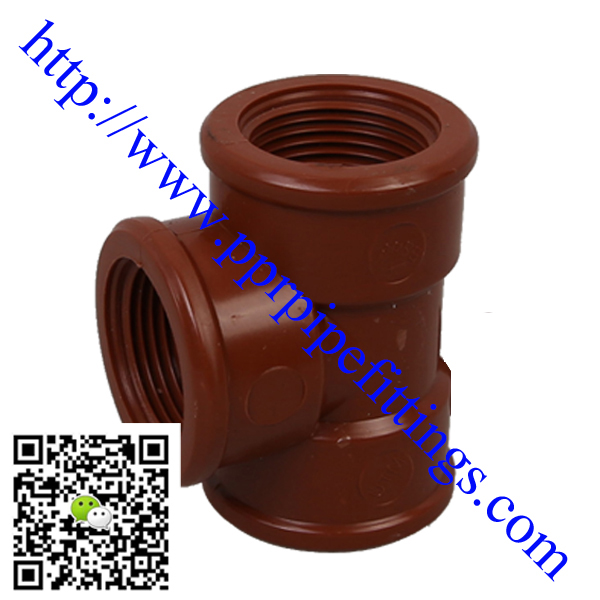
IPS Tees: Create branch connections for distribution networks
IPS Couplings: Join straight pipe sections for extended runs
IPS Adapters: Transition between different connection types or materials
IPS Caps and Plugs: Terminate pipe ends or close fitting openings
IPS Reducers: Connect pipes of different diameters smoothly
IPS vs. CTS: What Tanzanian Importers Need to Know
For buyers in Tanzania and Mozambique, understanding the difference between IPS and CTS (Copper Tube Size) is essential for correct specification:
Feature
IPS Fittings
CTS Fittings
Sizing Standard
Iron Pipe Size
Copper Tube Size
OD Reference
Based on nominal iron pipe dimensions
Based on copper tubing OD
Common Applications
Industrial, commercial, pressure systems
Residential plumbing, CPVC hot water
PVC Availability
Widely available
Common in CPVC
Market Preference
Industrial projects, infrastructure
Residential developments
For large-scale infrastructure projects common in growing East African cities, IPS fittings are typically preferred for their robustness and compatibility with industrial standards.
Exploring PPH Threaded Fittings
What Are PPH Threaded Fittings?
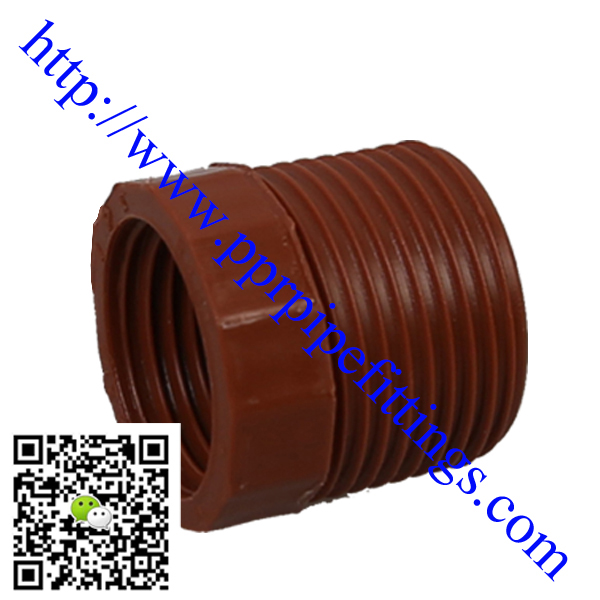
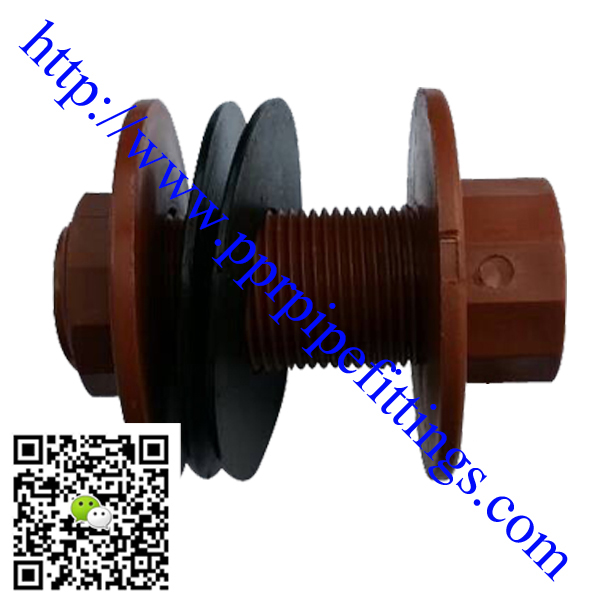
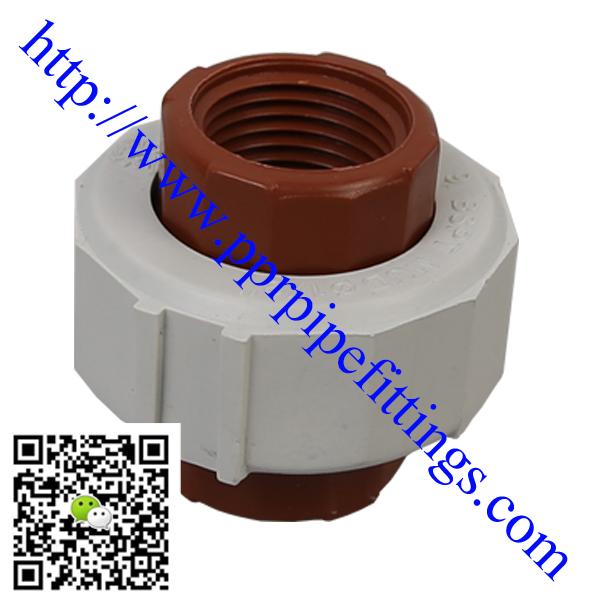
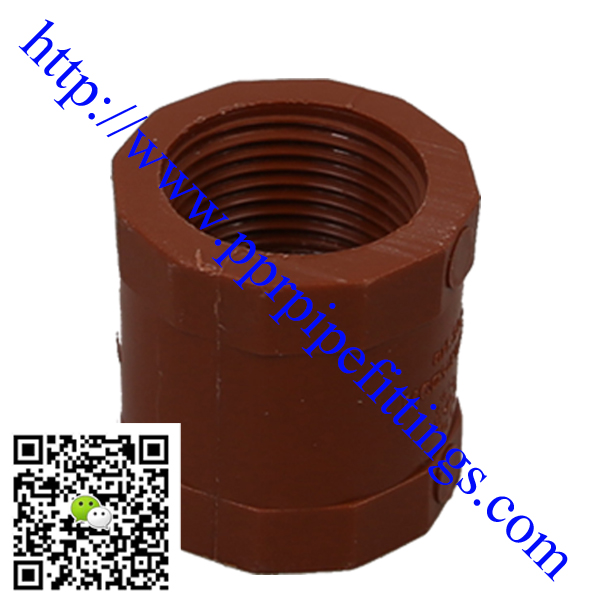
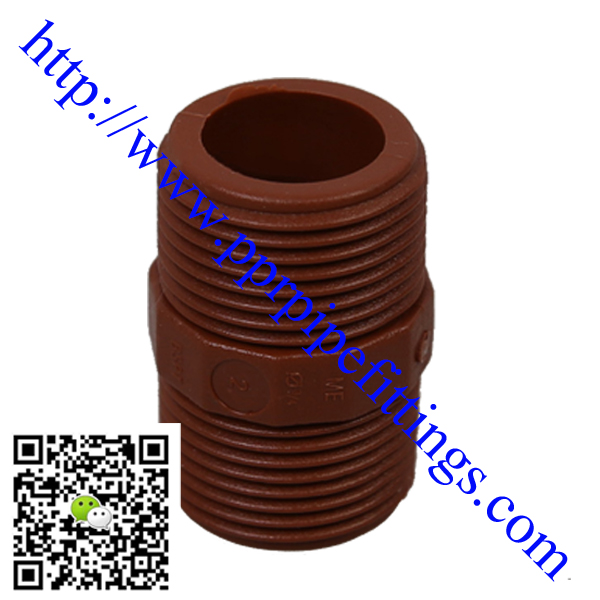
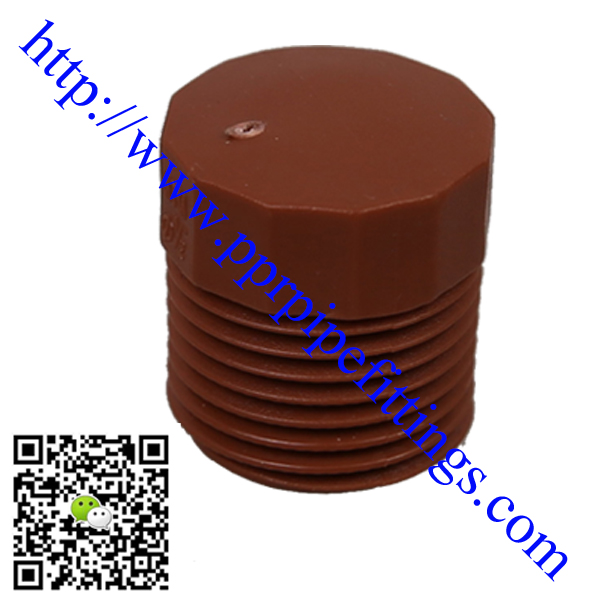
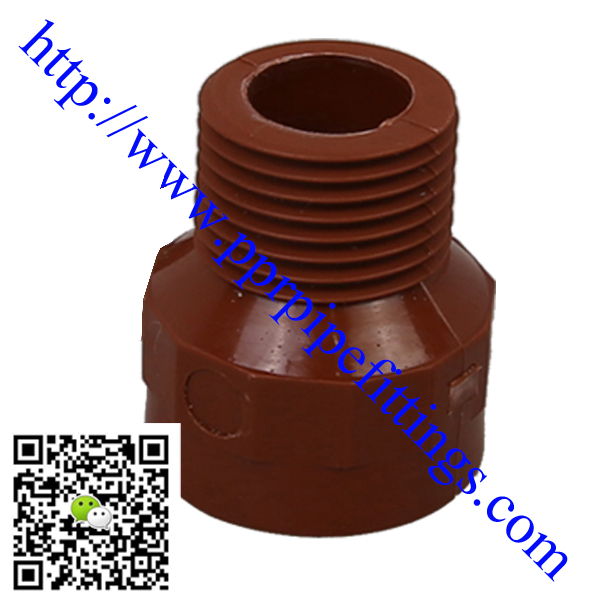
PPH threaded fittings are connection components manufactured from Polypropylene Homopolymer (PPH), a thermoplastic polymer offering exceptional chemical resistance and durability. Unlike socket-weld or butt-fusion fittings, PPH threaded fittings feature precision-machined threads that allow for mechanical assembly and disassembly without specialized fusion equipment .
This threaded design makes polypropylene threaded fittings particularly valuable in applications requiring regular maintenance, system modifications, or connections to equipment with threaded interfaces.
Key Advantages of PPH Threaded Fittings
PPH pipe fittings offer distinct benefits for industrial applications in Tanzania and Mozambique:
Exceptional Chemical Resistance
PPH provides outstanding resistance to acids, alkalis, and aggressive chemicals, making PPH threaded fittings ideal for chemical processing plants, mining operations, and industrial manufacturing facilities common in resource-rich regions like Mozambique’s Tete province or Tanzania’s mining sector .
High Temperature Capability
Unlike PVC, PPH fittings can handle elevated temperatures up to 100°C (212°F) in continuous service, with some grades performing at even higher temperatures . This makes them suitable for industrial hot water, process lines, and heating applications.
Mechanical Strength
PPH offers excellent impact resistance and mechanical strength, ensuring threaded PPH fittings maintain integrity under pressure, vibration, and physical stress common in industrial environments .
Easy Installation and Maintenance
The threaded design requires no special tools, electricity, or fusion equipment—simply wrap with PTFE tape and tighten . This simplifies installation for contractors in remote areas of Tanzania and Mozambique where specialized equipment may not be readily available.
Applications Across East African Industries
PPH fittings serve critical functions in key economic sectors:
Chemical Processing
Mozambique’s developing industrial sector and Tanzania’s growing manufacturing base require piping systems capable of handling aggressive chemicals without degradation. PPH threaded fittings provide reliable connections in these demanding environments .
Water Treatment
Both countries are investing heavily in water infrastructure. Polypropylene fittings offer corrosion resistance ideal for treatment chemicals, filtration systems, and distribution networks .
Mining Operations
Tanzania’s gold mining sector and Mozambique’s coal and mineral extraction industries benefit from PPH pipe fittings in slurry handling, chemical dosing, and process water systems .
The East African Market Context
Tanzania’s Growing Infrastructure Needs
Tanzania’s construction sector is experiencing significant growth driven by government infrastructure initiatives, commercial development, and residential construction across Dar es Salaam, Arusha, Mwanza, and Zanzibar. Key trends include:
Urban Water Supply Projects: Expansion of municipal water systems requiring reliable IPS fittings
Industrial Zone Development: New manufacturing facilities needing chemical-resistant PPH threaded fittings
Commercial Construction: High-rise buildings in Dar es Salaam demanding quality piping components
Agricultural Processing: Food and beverage facilities requiring hygienic, corrosion-resistant fittings
For exports to Tanzania and Mozambique, understanding thread standards is crucial:
NPT (National Pipe Tapered)
Common in North American specifications
60-degree thread angle
Widely available globally
Compatible with many international components
BSP (British Standard Pipe)
Common in former British territories (Tanzania)
55-degree thread angle
Used throughout Commonwealth countries
Important for compatibility with existing infrastructure
Many quality PPH threaded fittings are available in both NPT and BSP configurations, allowing exporters to match local preferences.
Sourcing Considerations for East African Buyers
Quality Factors
When sourcing IPS fittings and PPH threaded fittings for Tanzanian or Mozambican projects, consider:
Material Quality
Verify PVC compounds meet ASTM D1784 cell class requirements
Ensure PPH materials are virgin grade (not recycled) for pressure applications
Check for UV stabilization if fittings will be exposed
Dimensional Accuracy
Request certifications verifying compliance with ASTM or ISO standards
Conduct sample testing for critical projects
Verify thread gauge compatibility with local standards
Certification Requirements
NSF/ANSI 61 certification for potable water applications
Manufacturer test reports for pressure ratings
Third-party verification for government projects
Shipping and Logistics
For exports to Dar es Salaam port, Beira, Maputo, or other East African entry points:
Package IPS pipe fittings securely to prevent thread damage during transit
Consider container optimization to minimize shipping costs
Allow adequate lead time for customs clearance
Maintain proper documentation including certificates of origin
Applications in Local Context
Urban Water Supply (Dar es Salaam & Maputo)
Municipal water departments require reliable IPS fittings for distribution networks. The standardization of IPS sizing allows mixing components from different suppliers—critical when multiple contractors work on city-wide systems .
Industrial Processing (Tete & Mwanza)
Mozambique’s Tete province coal mining operations and Tanzania’s Mwanza gold mining sector benefit from PPH threaded fittings in:
Acid dosing systems for mineral processing
Slurry handling lines
Water treatment facilities
Chemical storage transfer systems
Commercial Construction (Throughout East Africa)
Growing commercial sectors in both countries demand quality plastic pipe fittings for:
HVAC systems requiring chemical-resistant components
Laboratory plumbing in schools and hospitals
Industrial kitchen drainage
Swimming pool filtration
Installation Best Practices
For IPS Fittings
PVC IPS fittings are typically joined using solvent welding:
Cut pipe square and deburr edges
Clean surfaces with appropriate primer
Apply even coat of solvent cement
Insert pipe with slight twist to distribute cement
Hold for specified time to prevent push-out
For PPH Threaded Fittings
Threaded PPH fittings require proper technique:
Use PTFE tape or appropriate thread sealant
Apply tape in direction of thread rotation
Hand-tighten plus 1-2 turns with wrench
Avoid over-tightening which can stress the fitting
Test for leaks before system pressurization
Temperature Considerations
East African climates demand attention to:
UV exposure: Use UV-stabilized materials for outdoor installations
Thermal expansion: Allow movement in long pipe runs
Storage conditions: Protect fittings from direct sun before installation
Sourcing Quality Products
For reliable supply of IPS fittings and PPH threaded fittings to Tanzanian and Mozambican markets, partner with manufacturers who understand export requirements and maintain consistent quality standards.
Key Supplier Qualifications
ISO 9001 certification for quality management
Product traceability from raw material to finished fitting
Third-party testing documentation
Experience with East African logistics
Understanding of local preferences (BSP vs. NPT)
Conclusion
IPS fittings and PPH threaded fittings represent essential components for Tanzania and Mozambique’s growing infrastructure, industrial, and construction sectors. By understanding the specifications, applications, and sourcing considerations outlined in this guide, importers, contractors, and engineers can select the right products for their specific requirements.
Whether you’re developing water supply networks in Dar es Salaam, outfitting mining operations in Tete, or constructing commercial buildings in Maputo, quality fittings from reliable suppliers ensure project success and long-term system performance.
For exporters targeting these dynamic East African markets, offering certified products in appropriate thread configurations (NPT or BSP) with proper documentation positions you as a trusted partner in regional development.