The Ultimate Guide to PPR Fittings: The Backbone of Modern Plumbing Systems
In the ever-evolving world of plumbing and fluid transport, selecting the right components is crucial for longevity and efficiency. Among the myriad of options available, PPR fittings have emerged as a global standard for residential, commercial, and industrial piping. By extensively analyzing technical data from leading international manufacturers and engineering sources, it’s clear that polypropylene random copolymer (PPR) has revolutionized how we approach water supply and heating systems.
What Are PPR Fittings?
ppr fittings factory
PPR fittings are components used to connect PPR pipes, which are made from a type of polypropylene known as a random copolymer. This material is distinguished by its granular structure, which gives it enhanced flexibility and resistance to both high temperatures and pressure. Unlike traditional metal fittings, PPR pipe fittings do not rust or corrode, ensuring a cleaner and more durable network.
According to industry specifications from manufacturers featured on international engineering databases, these fittings are designed to create seamless, leak-proof joints through a process called heat fusion.
Why Industry Experts Recommend Polypropylene Fittings
Data compiled from top global manufacturers and trade associations like the Plastics Pipe Institute (PPI) highlights several unmatched advantages of using polypropylene fittings:
1. Superior Durability and Corrosion Resistance
One of the most cited benefits in technical rankings is the inert nature of PPR. PPR fittings resist scaling and chemical reactions. Whether dealing with aggressive water chemistry in industrial settings or potable water in homes, these fittings do not degrade. The material”s resistance to chlorine and other disinfectants ensures a service life that often exceeds 50 years.
2. Leak-Proof Heat Fusion Technology
As noted in product listings from verified manufacturers, the installation process relies on heat fusion. The pipe and ppr fitting are heated to their melting point and joined. Once cooled, the material becomes a single, monolithic piece. This eliminates the risk of leaks found in systems that rely on rubber gaskets or solvent cements.
3. Thermal and Pressure Performance
Global market reports indicate that PPR fittings are engineered to handle a wide range of temperatures. They are suitable for both hot and cold water applications, withstanding sustained high temperatures typically up to 70°C (and higher in specific conditions). The pressure-temperature ratings are a key consideration, with fittings often rated for PN20 or PN25 pressure classes, making the joints the strongest part of the entire piping system.
4. Eco-Friendly and Safe for Potable Water
Leading environmental and building standards classify PPR as a green material. It is non-toxic, lead-free, and does not release harmful substances into the water, making it ideal for drinking water systems. Furthermore, the material is fully recyclable, contributing to sustainable construction practices.
Comprehensive Range of PPR Fitting Types
To build a complete piping network, various types of ppr fittings are required. Based on the product catalogs from high-ranking industrial suppliers, here are the essential components:
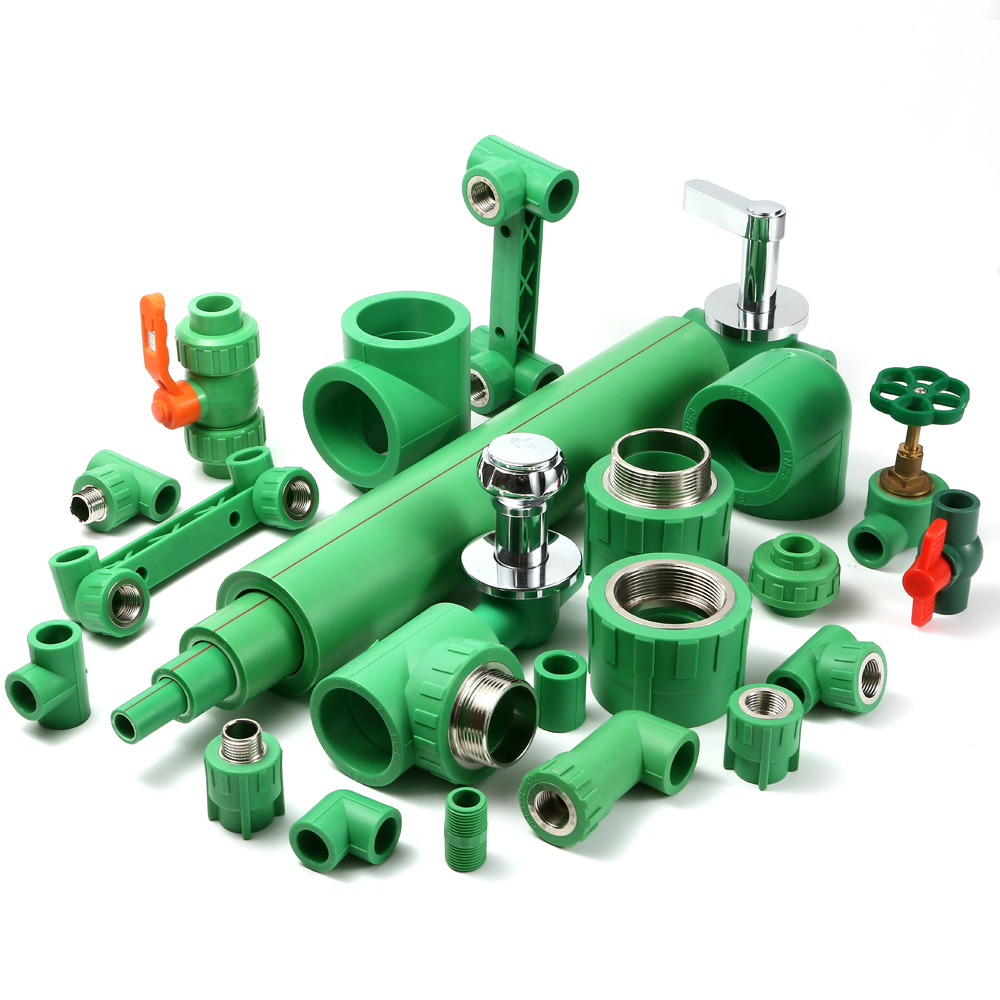
Couplings: Used to connect two pipes of the same diameter in a straight line. This is the most basic type of pipe fitting for extending the length of a run.
Elbows (90° and 45°): Essential for changing the direction of piping around corners. The sweeping design of these ppr pipe fittings ensures minimal pressure loss.
Tees (Equal and Reducing): Used to create branch lines from the main supply. This allows for the distribution of water to different points in a building.
Reducers: When the pipe diameter needs to change, reducers provide a smooth transition between different sizes, ensuring consistent flow dynamics.
End Caps: Used to terminate the end of a pipe run securely.
Threaded Fittings (Male/Female Unions): These are transition fittings that allow PPR pipes to connect to existing metal-threaded systems, such as water heaters or faucets. They often feature brass or nickel-plated inserts that are designed to prevent direct metal-to-water contact to avoid oxidation.
Ball Valves: Integrated into the system for reliable shut-off and flow control.
ppr fittings, PPR Pipe Fittings
Applications Across Sectors
The versatility of PPR fittings makes them the top choice across various sectors, as reflected in global market research:
Residential Plumbing: Ideal for hot/cold water distribution and underfloor heating systems. The lightweight nature of polypropylene pipes and fittings simplifies transportation and installation in complex building layouts.
Commercial Buildings: Used extensively in HVAC systems, centralized plumbing, and compressed air systems due to their sound-dampening properties and resistance to water hammer.
Industrial Applications: In chemical processing plants and food industries, the high chemical resistance of PPR makes it suitable for transporting aggressive fluids.
Agricultural Irrigation: The durability and UV resistance (when stabilized) make ppr fittings reliable for long-term agricultural use.
Installation Best Practices from the Pros
To ensure the longevity of your ppr piping system, adhering to proper installation techniques is vital. Technical guides from leading manufacturers suggest the following steps:
Cutting: Always use a sharp pipe cutter to ensure the cut is square and free of burrs. Scored or oval cuts can compromise the seal during fusion.
Cleaning: Clean the pipe end and the fitting socket to remove any dirt or grease.
Heating: Use a specialized heat fusion welding machine to heat both the pipe and the ppr fitting simultaneously. The heating time depends on the pipe diameter.
Joining: Immediately after heating, insert the pipe into the fitting firmly but without twisting, holding it steady to allow for proper cooling.
Cooling: Allow the joint to cool naturally. Forcing the cooling process with water can weaken the weld and create stress points.
Conclusion
As the global market for PPR plastic fittings continues to expand, driven by infrastructure development and the need for reliable sanitation, these components stand out as a superior investment. Whether you are a plumber, engineer, or contractor, choosing high-quality PPR pipe fittings ensures that your plumbing infrastructure remains safe, efficient, and maintenance-free for decades.
By understanding the specific types—from simple couplings to complex threaded unions—you can design a system that leverages the best properties of modern polymer science. For any project requiring durability and purity, PPR fittings are undeniably the intelligent choice for modern piping solutions.