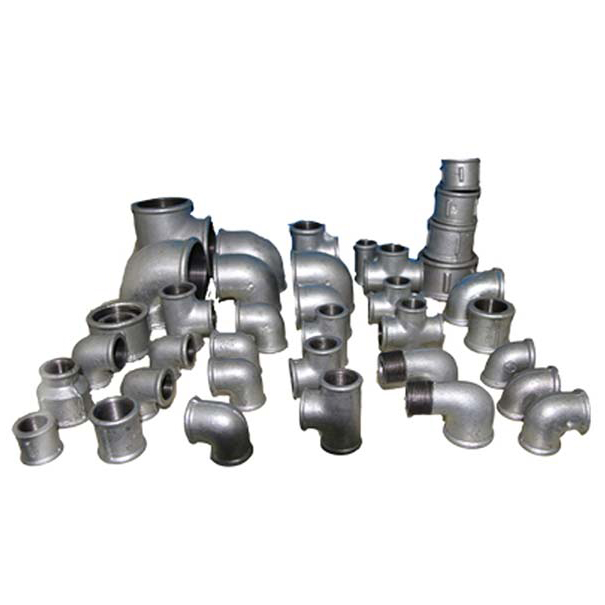
we are China factory outlets for Beaded Hot Dipped Galvanized Malleable Cast Iron Fittings.
We supply all kinds of galvanized iron fittings for different markets and regions around the world. Hot dipped Galvanized Iron Fittings, Cold galvanized iron fittings, black iron fittings, electronic plated iron fittings, aluminum dust plated iron fittings. The model we produce include banded, beaded, plain, with or without ribs.
1.DIN Standard:
Material: EN1562 ISO5922
Dimension: EN10242 ISO49 DIN2950
Galvanization:ISO1460
Threads:ISO7/1
2.Hot dipped galvaznized using the first class zinc,normal black and shinning black.
3.. excellent raw materials
4.leakage test one by one
5.precise angles
6.good anti-rust property
7.strong package
galvanized cast iron fittings factory workshop
130 Circular Beaded Tee for russia and middle east
China Beaded Hot Dipped Galvanized Malleable Cast Iron Pipe Fittings
Hot-Diped-Galvanized-Pipe-Fittings
GI Fittings, MI fittings,banglodash & parkistan market
Galvanised-Rigid-Junction-Box-of-BS4568
galvanized iron fittings
The Complete Guide to Galvanized Iron Fittings: Strength, Durability, and Corrosion Resistance in Piping Systems
In the world of plumbing, industrial piping, and mechanical systems, few components have demonstrated the enduring reliability of galvanized iron fittings. These essential connection devices, commonly known as GI fittings, represent a perfect synthesis of metallurgical strength and corrosion protection, serving as the backbone of countless fluid and gas transport systems across residential, commercial, and industrial applications.
Understanding the full scope of what galvanized malleable iron fittings offer can help engineers, contractors, and facility managers make informed decisions that balance performance, longevity, and cost-effectiveness.
What Are Galvanized Iron Fittings?
Galvanized iron fittings, often abbreviated as GI fittings, are pipe connection components manufactured from iron or steel that have been coated with a protective layer of zinc through a process called galvanization. This zinc coating provides exceptional corrosion resistance, making these fittings suitable for use in various environments, including outdoor and corrosive settings where unprotected iron would quickly deteriorate.
The term “galvanized” specifically refers to the metallurgical bonding of zinc to the iron substrate, which creates a durable barrier against rust and environmental degradation. These GI pipe fittings are available in numerous configurations designed to perform specific functions and accommodate different piping requirements.
The Material Science: Malleable Iron Meets Galvanic Protection
To truly understand galvanized malleable iron fittings, one must appreciate the material itself. Malleable iron is a specialized form of cast iron that undergoes a controlled heat treatment process known as annealing. This process transforms the brittle structure of white cast iron into a more ductile and impact-resistant material, governed by standards like ASTM A197.
Key properties of malleable iron include:
Enhanced Ductility: Unlike standard cast iron, malleable iron can withstand bending and deformation without fracturing, making it ideal for dynamic systems
High Tensile Strength: Offers superior mechanical strength compared to many plastics and some steels, capable of enduring mechanical stress and vibration
Impact Resistance: The material maintains structural integrity under fluctuating pressures and temperatures, ensuring long-term reliability in demanding environments
The Galvanization Process
The second critical element is galvanization itself. Even a strong, ductile fitting is vulnerable to corrosion, the relentless electrochemical process that degrades metal from the surface inward.
Galvanization for galvanized pipe fittings is most commonly achieved through hot-dip galvanizing, a process detailed in standards like ASTM A153/A153M. In this procedure, the fitting is submerged in a bath of molten zinc at approximately 443°C (830°F) . This creates a metallurgical reaction bonding the zinc to the iron, forming a series of zinc-iron alloy layers with a pure zinc outer layer.
This zinc coating provides a twofold defense:
Physical Barrier: Isolates the iron from corrosive elements in the environment
Sacrificial Protection: Zinc is more electrochemically active than iron. If the coating is scratched, the zinc corrodes preferentially, “sacrificing” itself to protect the underlying iron
These GI fittings are therefore endowed with resilience far surpassing uncoated alternatives, making them indispensable for water transport or exterior exposure.
Key Advantages of Galvanized Iron Fittings
1. Superior Corrosion Resistance
The primary advantage of a galvanized pipe fitting is its zinc coating, which provides a robust barrier against rust and corrosion, significantly extending the lifespan of piping systems in moist or outdoor environments. This corrosion resistance protects fittings from rust and degradation caused by exposure to moisture, chemicals, and other corrosive elements.
2. Exceptional Durability and Mechanical Strength
Galvanized malleable iron fittings combine the strength of malleable iron with the protective benefits of galvanization. They offer high strength and durability, withstanding high pressures without leaking or rupturing. These fittings are praised for their tough build, making them perfect for handling high-pressure jobs in industrial applications.
3. Cost-Effectiveness
GI pipe fittings offer a relatively low material cost compared to steel or copper alternatives. They provide an excellent balance between cost and performance—more affordable than stainless steel while still delivering durability and longevity. The investment in galvanized fittings pays off in situations where exposure to corrosive conditions would otherwise lead to premature failure of non-galvanized alternatives.
4. Fire Resistance
Malleable cast iron has inherent fire-resistant properties. It can withstand high temperatures without deforming or weakening, making galvanized iron fittings suitable for applications where fire safety is crucial. This quality makes them ideal for fire protection sprinkler systems and other safety-critical installations.
5. Easy Installation
Galvanized malleable iron fittings come with standard screw threads (typically NPT or BSP), making installation straightforward. Simply tighten the fittings using appropriate tools—no welding or specialized equipment is required. Thread sealant or tape may be used to ensure leak-free joints.
6. Versatility
These fittings are available in various shapes, including elbows, tees, couplings, unions, reducers, caps, and floor flanges. They can be used to create complex piping configurations suitable for both residential and commercial projects.
Types of Galvanized Iron Fittings
Galvanized-Iron-Fittings
Understanding the seven fundamental types of GI fittings is essential for designing, building, or repairing piping systems.
1. Elbows
Elbows are used to change the direction of the pipe’s flow, typically in 90-degree or 45-degree angles. The most common manifestations are 90-degree and 45-degree elbows, allowing for sharp corners and gentle offsets, respectively. A “street elbow” variant has female threads on one end and male threads on the other, eliminating the need for a short connecting piece.
The robust nature of a galvanized pipe fitting elbow makes it ideal for applications where direction changes also represent points of mechanical stress, such as in handrails or structural frames .
2. Tees
Tee fittings are fundamental to creating branches within a system. Shaped like the letter ‘T’, they feature three openings: two in a straight line (the “run”) and one at a 90-degree angle (the “branch”). This allows a single supply line to be split into two, or conversely, two lines to be merged into one.
The versatility is expanded through “reducing tees,” where the branch port is smaller than the run ports, allowing direct connection of smaller diameter pipes to larger mains without separate reducer fittings.
3. Crosses
Cross fittings are less common but powerful components in complex piping layouts. They have four openings arranged in a cross shape, allowing four pipes to meet at a single point, each at 90-degree angles to adjacent ones. Crosses are typically used in systems where multiple lines intersect and require interconnection.
4. Couplings and Unions
Couplings are used to connect two pipes of the same diameter in a straight line. Unions provide a detachable joint that allows for easy disassembly and reassembly of pipes, which is essential for maintenance and repair.
A galvanized iron pipe union resists rust and corrosion, making it ideal for challenging environments. These unions offer high corrosion resistance due to galvanization, are durable and long-lasting, and are suitable for both water and gas lines.
5. Reducers
Reducers are used to connect pipes of different diameters, facilitating a smooth transition between sizes. This allows for changes in flow volume while maintaining system integrity.
6. Caps, Plugs, and Nipples
Caps: Seal the end of a pipe to prevent leakage or contamination
Plugs: Used to close off fittings or pipe ends internally
Nipples: Short lengths of pipe with male threads on both ends, used to extend or connect fittings
7. Flanges
Flanges provide a means of connecting pipes or valves to other equipment or components. They allow for bolted connections that can be disassembled when necessary.
Material Specifications and Standards
Quality galvanized malleable iron fittings must meet rigorous industry standards to ensure safety, performance, and regulatory compliance.
Material Standards
ASTM A197 / ASTM A536: Standard specifications for malleable iron castings
ASTM A153 / ASTM A123: Standard specifications for hot-dip galvanizing
EN 10242 / ISO 49: Standards for threaded malleable iron fittings
ASME B16.3 / B16.39: Standards for malleable iron threaded fittings and unions
Pressure and Temperature Ratings
Galvanized iron fittings are typically rated for specific operating conditions:
Class 150 / Class 300: Pressure classifications for standard applications
Maximum Operating Pressure: Typically 150-300 psi for standard applications, with higher ratings for specialized configurations
Temperature Range: Suitable for both hot and cold applications, withstanding significant temperature variation
Thread Standards
Most GI pipe fittings feature threaded connections in either:
NPT (National Pipe Tapered): Tapered thread standard common in North America
BSPT (British Standard Pipe Tapered): 55-degree thread angle common in European and Asian systems
BSPP (British Standard Pipe Parallel): Parallel threads requiring bonded seals
Applications Across Industries
Galvanized iron fittings serve critical functions across virtually every industry that handles fluids or gases.
Plumbing and Water Distribution
GI pipe fittings are commonly used in plumbing systems and water distribution networks. Their corrosion resistance makes them suitable for both potable water and general water supply applications. In residential and commercial buildings, they provide reliable connections for water lines, drainage systems, and outdoor plumbing installations.
Oil and Gas Industry
In the oil and gas sector, galvanized malleable iron fittings are extensively used in pipeline systems transporting natural gas, propane, and other petroleum products. They perform reliably in high-pressure environments, often exceeding 1,000 psi, and withstand extreme temperatures. Their resistance to sulfide stress cracking enhances safety when handling sour gas containing hydrogen sulfide.
Construction and Fire Protection
In construction, malleable pipe fittings play critical roles in fire protection sprinkler systems, gas line installations, and industrial-grade plumbing due to their fire resistance, durability, and leak-proof threaded connections. Their ability to endure mechanical stress and vibration makes them ideal for high-rise buildings and infrastructure projects.
Manufacturing Facilities
Manufacturing plants rely on GI fittings for delivering essential utilities such as steam, compressed air, hydraulic fluids, and process water. They handle continuous high-pressure operations and resist wear from constant flow and thermal cycling.
Agriculture and Irrigation
In agricultural applications, galvanized iron fittings provide superior performance in high-pressure water delivery systems, pump stations, and fertilizer injection setups. Their resistance to rust and chemical degradation from fertilizers and pesticides ensures longevity in corrosive farm environments.
Mining Industry
The mining industry operates in harsh conditions requiring materials that endure abrasion, vibration, and extreme stresses. Malleable iron fittings are integral to dewatering systems, ventilation ducts, slurry transport, and compressed air lines in underground and open-pit mines.
Installation Best Practices
Proper installation is essential for maximizing the performance and longevity of galvanized iron fittings.
Thread Selection and Preparation
Selecting the correct thread type—NPT, BSPT, or BSPP—ensures proper sealing and connection integrity. Always verify thread standards between mating components to avoid cross-threading or sealing failures.
Sealants and Torque
Galvanized pipe fittings are installed using wrenches or pipe wrenches to tighten threaded connections securely. Thread sealant or PTFE tape should be used to ensure leak-free joints. Follow torque specifications when assembling threaded joints to prevent damage.
Preventing Galvanic Corrosion
When connecting galvanized malleable iron fittings to dissimilar metals such as copper or stainless steel, always use a dielectric union or non-conductive adapter to prevent galvanic corrosion. This precaution prevents premature system failure caused by electrochemical reactions between different metals.
Comparison with Other Fitting Materials
Understanding how GI fittings compare to alternatives helps in making informed selection decisions.
Feature
Galvanized Malleable Iron
Black Malleable Iron
Copper
PVC/CPVC
Corrosion Resistance
Excellent (zinc coating)
Poor to fair (rusts in moisture)
Excellent
Excellent
Mechanical Strength
Very High
Very High
Moderate
Low to Moderate
Primary Applications
Water supply, drainage, fire sprinklers, outdoor structures
Gas lines, oil lines
Potable water, HVAC
Drainage, irrigation, DWV
Cost
Moderate
Low
High
Very Low
Temperature Rating
High
High
Good
Moderate
Maintenance and Longevity
Regular maintenance of galvanized iron fittings prevents leaks, extends service life, and maintains system efficiency.
Inspection Practices
Periodic visual and tactile inspections help identify early signs of wear or failure:
Check for cracks, pitting, or corrosion on the fitting body
Inspect for signs of leakage such as moisture, mineral deposits, or discoloration
Examine surrounding insulation or supports for damage that could stress joints
Service Life
GI pipe fittings can last for decades in plumbing systems when properly installed and maintained. The zinc coating provides excellent corrosion resistance, protecting fittings from rust and degradation. However, the galvanized layer can degrade over time in acidic environments, so application suitability should be verified before installation.
Standards Compliance and Certification
When sourcing galvanized malleable iron fittings, verify compliance with relevant standards to ensure quality and code adherence:
NSF/ANSI 61 / 372: Certification for potable water applications where lead-free compliance is required
UL / FM: Listings for fire protection service applications
ASSE 1003: Compliance for pressure reducing valves and related components
State Plumbing Codes: Many jurisdictions require specific certifications; for example, Wisconsin code SPS 384.10 requires steel and malleable iron fittings in water supply systems to be galvanized in accordance with ASTM A123/A123M
Conclusion
Galvanized iron fittings represent a proven, reliable solution for fluid and gas control across countless applications. Their unique combination of corrosion resistance, mechanical strength, durability, and cost-effectiveness makes them indispensable in plumbing, construction, industrial, agricultural, and mining systems.
The protective zinc coating provides excellent corrosion resistance, making these fittings ideal for use in environments where exposure to moisture or corrosive substances is common. Meanwhile, the underlying malleable iron delivers exceptional strength and ductility, allowing GI fittings to withstand mechanical stress, high pressures, and temperature fluctuations without failure.
By understanding the complete range of galvanized pipe fittings available—from simple couplings and elbows to complex crosses and unions—and the various configurations serving different functions, engineers and installers can select optimal components for any requirement. When specified according to appropriate standards and installed correctly with proper thread sealants and torque, galvanized malleable iron fittings deliver decades of reliable service, protecting investments and ensuring system integrity for the long term.
Whether you’re designing a residential plumbing system, outfitting an industrial processing plant, installing fire protection infrastructure, or maintaining critical mining operations, galvanized iron fittings provide the performance, reliability, and value that professional applications demand.