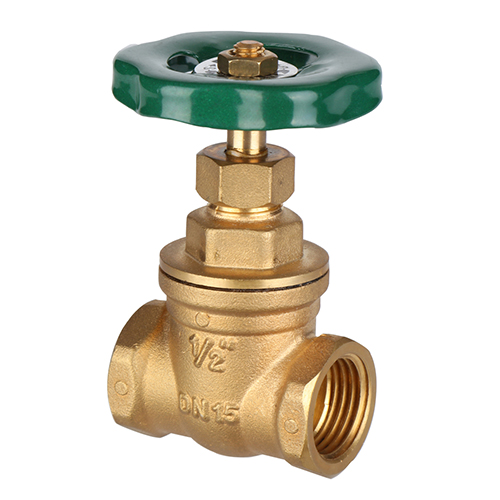
The Complete Guide to Brass Valves and Fittings: Durability, Versatility, and Performance
In the world of fluid control systems, plumbing infrastructure, and industrial applications, few components are as universally trusted as brass valves and fittings. These essential connection and control devices serve as the backbone of countless systems, from residential water lines to complex industrial processing plants. Understanding the full scope of what brass valves fittings offer can help engineers, contractors, and facility managers make informed decisions that balance performance, longevity, and cost-effectiveness.
What Are Brass Valves and Fittings?
Brass valves and fittings are connection and control components manufactured from brass—a versatile alloy primarily composed of copper and zinc. This material composition gives brass fittings their characteristic golden appearance and exceptional mechanical properties. The category encompasses everything from simple connectors to sophisticated control mechanisms.
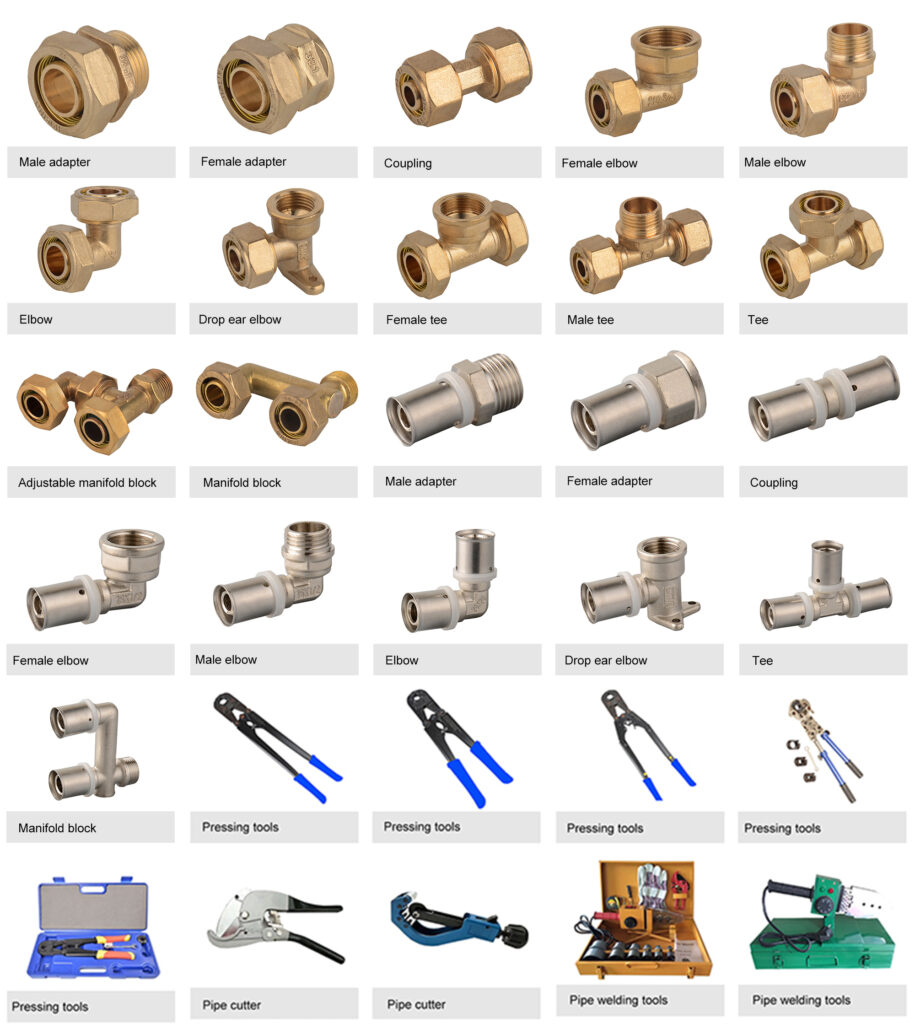
Brass fittings include a wide array of components designed to connect, terminate, or change the direction of piping systems. These range from basic elbows and tees to complex adapters, unions, and couplings. Brass valves, on the other hand, are specifically engineered to control flow—starting, stopping, or regulating the movement of fluids and gases through a system. Common examples include ball valves, gate valves, check valves, and specialized service valves.
Key Advantages of Brass Valves and Fittings
1. Exceptional Durability and Mechanical Strength
Brass offers an outstanding balance of tensile strength and toughness, allowing brass valves and fittings to perform reliably under pressure, thermal cycling, and mechanical stress. Quality brass components withstand high line pressures and varying temperatures without deforming. They maintain thread integrity during installation and maintenance, providing long-lasting, leak-free connections in domestic, commercial, and industrial applications.
This durability translates directly into safer, more stable piping networks with fewer failures and reduced call-backs for contractors and system designers.
2. Superior Corrosion Resistance
Unlike ferrous materials that rust when exposed to moisture, brass exhibits excellent corrosion resistance in water-based environments. This inherent property makes brass fittings ideal for:
Potable water supply lines requiring health-compliant materials
Plumbing systems in areas with hard or chemically treated water
Installations where fittings face constant moisture, condensation, or occasional splash
Marine applications where saltwater exposure would quickly degrade lesser materials
By resisting corrosion from water and common treatment chemicals, brass valves fittings help maintain system integrity, reduce leaks, and extend the service life of complete piping installations.
3. Excellent Thermal Conductivity
Brass’s good thermal conductivity provides significant advantages in hot-water and heating applications where efficient heat transfer and temperature stability are important. In systems such as underfloor heating circuits, radiator and towel-rail connections, and boiler manifolds, brass fittings support consistent flow and help maintain even heat distribution. This contributes to comfortable and energy-efficient operation in residential and commercial heating systems.
4. Cost-Effectiveness Over the Long Term
While the initial cost of brass valves and fittings might be higher compared to some alternatives like plastic or aluminum, the long-term value proposition is compelling. Brass components can last for decades in plumbing systems, whereas plastic fittings might crack or leak after just a few years. The cost of replacing inferior fittings multiple times over the years can easily exceed the cost of a single quality brass fitting.
Additionally, brass fittings are relatively low-maintenance. They don’t require anti-rust coatings or regular treatments—simple occasional cleaning keeps them functioning properly and looking good.
5. Recyclability and Environmental Benefits
Brass is a fully recyclable material. At the end of its long service life, a brass valve or fitting can be melted down and reused to manufacture new components. This recyclability reduces waste and conserves natural resources, making brass valves fittings an environmentally responsible choice for green building projects and sustainability-conscious operations.
Types of Brass Fittings
The variety of brass fittings available is extensive, allowing engineers to select precisely the right component for any application.
Threaded Brass Fittings
Threaded brass fittings provide reliable connections for metal piping and equipment. They are available with various thread standards, including BSP (British Standard Pipe) cylindrical and conical types, as well as NPT (National Pipe Thread) configurations. Series 00400 fittings, for example, offer both ISO 228 BSP cylindrical and ISO 7 BSPT conical threads, providing maximum versatility across standard industry configurations.
Compression Brass Fittings
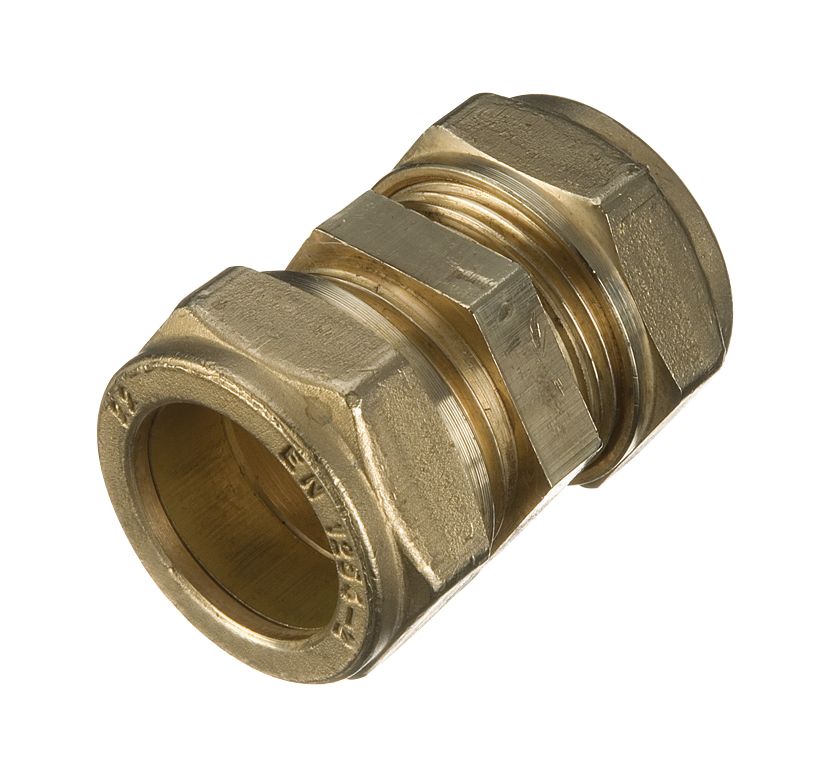
COMPRESSION-STRAIGHT-COUPLING-15MM
Brass compression fittings are commonly used to connect copper tubing and other compatible piping materials in residential and commercial plumbing systems. These fittings provide secure, leak-proof connections without requiring soldering or specialized tools, making them installer-friendly and reliable.
Push-to-Connect Brass Fittings
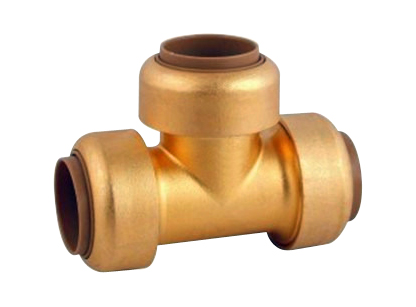
Push-to-Connect Brass Fittings
Modern brass push-fit fittings have revolutionized installation practices. Products like the SharkBite series feature brass bodies with stainless steel grab rings and EPDM O-rings, allowing users to connect pipes in seconds without special tools or glue. These innovative brass fittings are listed to ASSE 1061 and NSF/ANSI 61 standards, approved for potable water applications, and can be used underground (with proper wrapping) or behind walls without access panels.
Flare and Inverted Flare Fittings
These specialized brass fittings are essential in applications requiring leak-proof connections under high pressure. Brass flare fittings are commonly found in automotive fuel systems and refrigeration lines, where their ability to create tight, secure connections is critical for safety and performance.
Barbed Hose Fittings
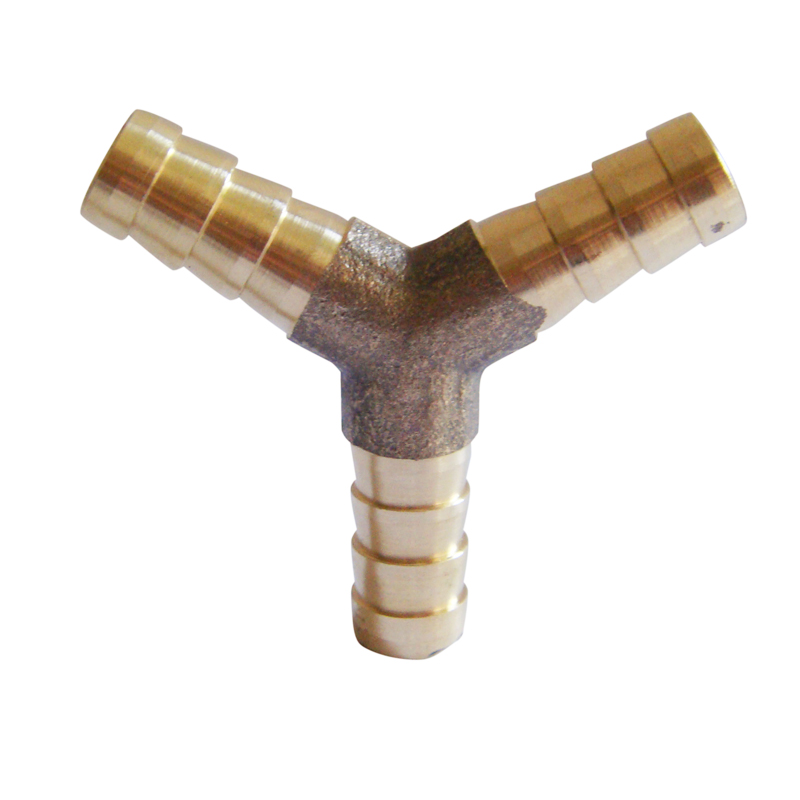
Barbed-Hose-Fittings
Brass barbed fittings provide simple yet effective connections for flexible hoses and tubing. The barbed design grips the hose interior, while optional hose clamps ensure secure, leak-free operation in low-pressure applications.
Types of Brass Valves
Brass valves come in numerous configurations, each designed for specific control functions.
Brass Ball Valves
Brass ball valves are among the most common flow control devices, featuring a quarter-turn mechanism that provides quick shut-off and full-port flow when open. Quality brass ball valves from manufacturers like WESA meet the highest standards in building technology and industry, suitable for applications involving water, heating oil, diesel oils, lubricating oils, fuels, solvents, and various other media. These brass valves are often CE certified and feature threads according to DIN EN ISO 228-1 and DIN EN 10226-1 standards.
Brass Gate Valves
Brass Gate Valves
Brass gate valves are designed for fully open or fully closed service, providing minimal flow restriction when open. They are commonly used in applications where pressure drop must be minimized and the valve remains in a fixed position for extended periods.
Brass Check Valves
Brass check valves automatically prevent backflow in piping systems, ensuring that fluids travel only in the intended direction. Available in swing and spring configurations, these brass valves protect pumps, compressors, and other equipment from damage caused by reverse flow.
Brass Service Valves
Brass service valves provide convenient isolation points within plumbing systems. Chrome-plated brass valves with quarter-turn mechanisms, operated via screwdriver slot, allow specific parts of a system to be isolated for repair or replacement without shutting down the entire installation.
Brass Pressure Reducing Valves
These specialized brass valves automatically reduce and maintain downstream pressure in potable water distribution systems. They comply with standards like ASSE 1003, ensuring safe and consistent water pressure throughout buildings.
Applications Across Industries
Brass valves and fittings serve critical functions across virtually every industry that handles fluids or gases.
Plumbing and HVAC Industry
This sector represents one of the largest consumers of brass fittings. In water supply systems, brass valves fittings connect pipes, fixtures, and equipment. Their corrosion resistance makes them ideal for both potable water and wastewater applications . In HVAC systems, brass fittings play crucial roles in refrigerant lines, condensate drain lines, and hot water heating systems.
Industrial Manufacturing
Manufacturing plants rely on brass valves fittings in fluid handling systems, pneumatic systems, and machinery. They transfer various fluids—water, oil, and chemicals—while their corrosion resistance prevents leaks and contamination. In pneumatic systems, brass fittings connect air hoses, valves, and cylinders, with brass quick-connect fittings enabling fast component changes.
Automotive Industry
In automotive applications, brass fittings appear in fuel systems, braking systems, and cooling systems. Brass flare fittings provide secure connections in fuel lines, while brass brake fittings ensure reliable performance in hydraulic braking systems.
Marine Industry
The marine environment demands exceptional corrosion resistance, making brass fittings ideal for boats and ships. Brass marine hardware—including fittings for plumbing, fuel lines, and deck hardware—withstands saltwater exposure, ensuring long-term durability and reliability.
Electrical Industry
Brass’s good electrical conductivity makes it valuable for electrical connectors, terminals, and switches. Brass connectors provide low-resistance connections ensuring efficient electrical transmission in panels and control systems.
Standards and Compliance
Quality brass valves and fittings must meet rigorous industry standards to ensure safety, performance, and regulatory compliance.
Material Standards
Brass fittings are manufactured from specific alloy compositions like CW614N, CW617N, or OT58 brass. These materials must comply with regulations regarding lead content—particularly important for potable water applications where NSF/ANSI 61 and NSF/ANSI 372 certification ensures compliance with lead-free requirements.
Performance Standards
Industry standards governing brass valves fittings include:
ASME A112.18.1 for plumbing supply fittings
ASSE 1061 for push-fit fittings
ASTM F1807 for metal insert fittings
UL 1821 for fire protection service applications
Pressure and Temperature Ratings
Quality brass fittings are rated for specific operating conditions. Series 00400 fittings, for example, handle pressures up to 40 bar (580 psi) and temperatures ranging from -40°C to +120°C (-40°F to +248°F) . These ratings ensure reliable performance across diverse applications.
Surface Treatments and Finishes
Brass valves and fittings can be enhanced with various surface treatments to improve performance and appearance.
Nickel Plating
Nickel-plated brass fittings offer enhanced corrosion resistance and wear protection. The nickel layer provides a durable, attractive finish that maintains its appearance in demanding environments. Nickel-plated brass fittings are common in applications requiring extended service life or aesthetic appeal.
Chrome Plating
Chrome-plated brass valves combine the durability of brass with an attractive, easy-to-clean finish suitable for exposed installations in kitchens, bathrooms, and commercial spaces.
Installation Best Practices
Proper installation is essential for maximizing the performance and longevity of brass valves and fittings.
Thread Selection
Selecting the correct thread type—BSPP (cylindrical), BSPT (tapered), or NPT—ensures proper sealing and connection integrity. Some advanced brass fittings incorporate integrated seals like the Camozzi Sprint® design, eliminating the need for liquid sealants or tape and saving considerable installation time.
Preparation and Handling
Brass fittings should be stored and handled according to manufacturer recommendations, protected from damage due to weather, excessive temperature, and construction operations. For push-fit connections, proper tube preparation—clean cuts and deburring—ensures reliable, leak-free joints.
Conclusion
Brass valves and fittings represent a proven, reliable solution for fluid and gas control across countless applications. Their unique combination of durability, corrosion resistance, thermal performance, and cost-effectiveness makes them indispensable in plumbing, HVAC, industrial, automotive, marine, and electrical systems.
By understanding the complete range of brass fittings available—from simple threaded adapters to sophisticated push-fit connectors—and the various brass valve types serving different control functions, engineers and installers can select optimal components for any requirement. When specified according to appropriate standards and installed correctly, brass valves fittings deliver decades of reliable service, protecting investments and ensuring system integrity for the long term.
Whether you’re designing a residential plumbing system, outfitting an industrial processing plant, or maintaining critical marine infrastructure, brass valves and fittings provide the performance, reliability, and value that professional applications demand.